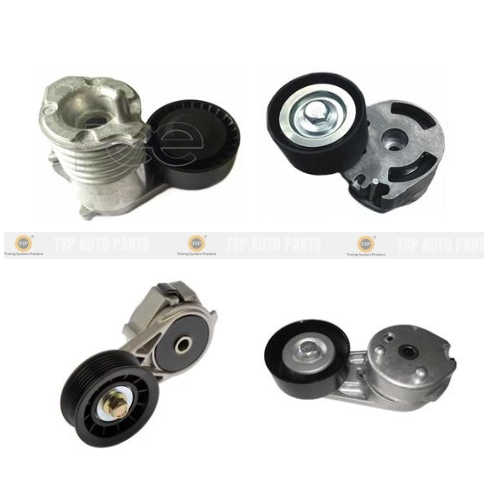
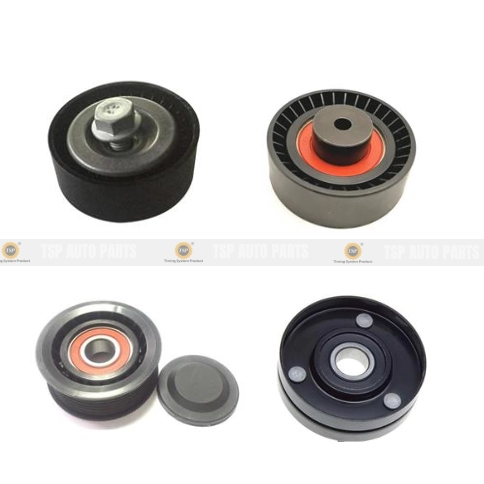
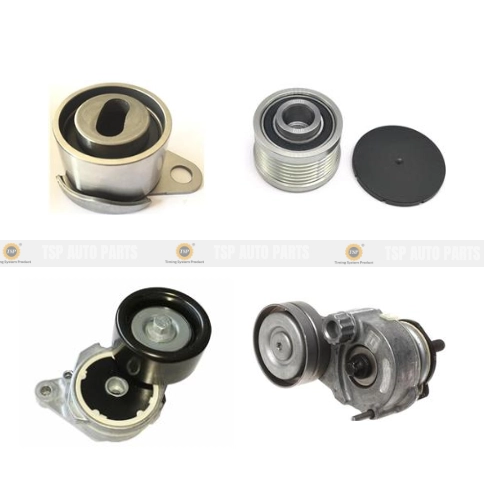
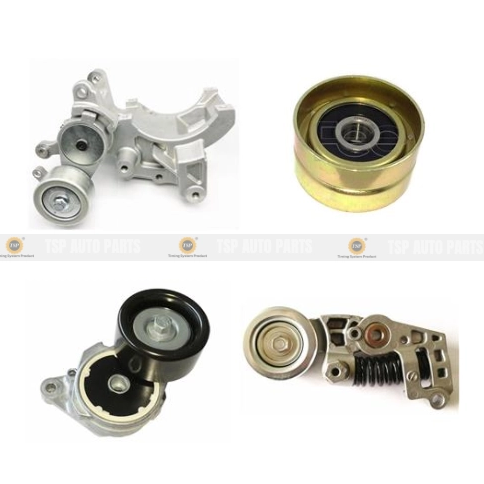
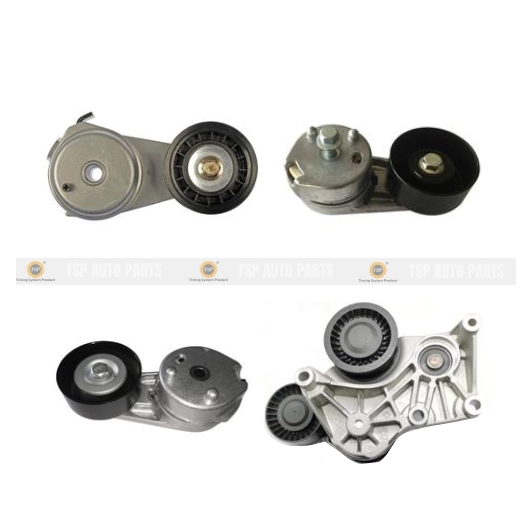
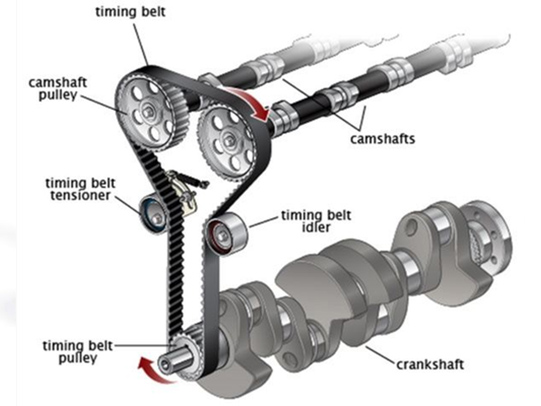
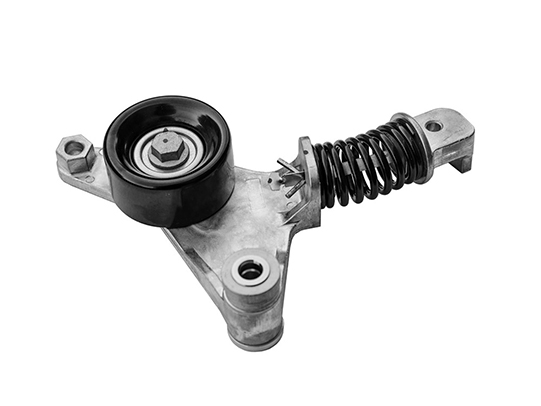
A timing belt tensioner is a critical component in interference and non-interference engine designs that maintains precise tension on the timing belt, ensuring accurate synchronization between the crankshaft and camshaft(s). Unlike idler pulleys—which only guide belt routing—the timing belt tensioner actively compensates for belt elongation, thermal expansion, and dynamic load changes during engine operation.
It typically employs a calibrated spring or hydraulic damping mechanism to apply consistent, OE-specified tension throughout the belt’s service life. This prevents belt slack (which can cause skipped teeth) or over-tensioning (which may overload bearings), both of which compromise valve timing integrity.
In modern engines—especially those from Toyota, Volkswagen, Ford, and GM—a failed belt tensioner can lead to catastrophic engine damage. Understanding its role is the first step toward reliable replacement and system-wide protection.
How to Identify a Failing Belt Tensioner
Early detection of a failing belt tensioner is essential to prevent secondary damage and reduce warranty claims. Common failure indicators include:
Intermittent ticking or rattling noises from the front of the engine, often worsening with RPM changes;
Visible belt flutter or misalignment during inspection;
Premature timing belt wear, such as frayed edges or glazing on the ribbed surface.
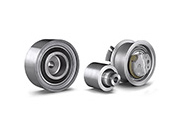
Crucially, many technicians replace only the timing belt while reusing the old tensioner—this is a leading cause of repeat failures. OEM service guidelines universally recommend replacing the timing belt tensioner and idler pulleys as a complete set during any timing system service.
For distributors, educating your repair shop customers on this best practice not only improves repair quality but also increases average ticket value and reduces comebacks.
Key Applications by Vehicle Platform
TSP’s belt tensioners are engineered for direct-fit replacement across a wide range of global platforms. Our coverage includes high-volume applications such as:
Asian: Toyota 1ZZ-FE / 2GR-FE, Honda K20/K24, Hyundai Theta II (G4KH), Nissan QR25DE
European: Volkswagen EA888 Gen 3, BMW N20/N55, Mercedes M274, Renault dCi 1.6L/2.0L
American: Ford EcoBoost 1.5L/2.0L, GM LFX/LGX V6, Chrysler Pentastar 3.6L
Each SKU is mapped to OE part numbers and validated against factory torque curves and mounting geometries. Whether you serve independent garages in Mexico, multi-brand chains in Germany, or wholesale markets in the Middle East, TSP provides the right timing belt tensioner for your portfolio.
Engineered to OE Standards: Quality & Testing
Not all belt tensioners are created equal. TSP units are manufactured under IATF 16949-certified processes using:
High-carbon chrome steel bearings with double-sealed lubrication for extended life;
Reinforced polymer housings (PA66+30% glass fiber) resistant to heat, oil, and vibration;
Precision-calibrated springs tested for <5% torque decay after 100,000 operational cycles.
Every batch undergoes rigorous validation, including:
Dynamic endurance testing at -40°C to +150°C;
Damping response analysis under rapid RPM transitions;
Dimensional verification against original equipment samples.
In contrast, low-cost alternatives often use unsealed bearings, recycled plastics, and inconsistent spring rates—leading to premature seizure, noise, or sudden failure. With TSP, you supply a belt tensioner that performs like OE, without the OEM price premium.
Complete Timing Solutions for Distributors
TSP goes beyond individual components to deliver complete timing system solutions designed for distributor efficiency and customer success:
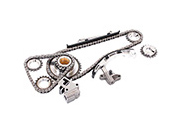
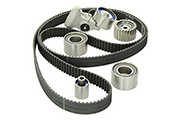
Full Timing Kits: Pre-matched sets including timing belt tensioner, idler pulley(s), water pump (where applicable), and timing belt—reducing ordering complexity and ensuring compatibility;
Smart Inventory Support: Popular kits available in bulk packaging with barcoded labels for easy warehouse management;
Technical Backing: Installation guides, torque specifications, and failure analysis support available in 6 languages;
Global Logistics: FOB options from Asia, Europe, and North America warehouses for faster delivery.
By partnering with TSP, you gain more than a supplier—you gain a scalable, reliable source for high-turnover timing components that enhance your brand reputation and drive long-term profitability.
Introducing our high-quality belt tensioner, designed to provide reliable and stable tension for your vehicle's belts. Engineered with precision and durability in mind, this tensioner ensures optimal performance and reduces the risk of belt slippage. Crafted from top-grade materials, it offers long-lasting durability and can withstand the demands of your engine. With its compatibility across a wide range of vehicle models and engine types, it is the perfect choice for automotive enthusiasts seeking a versatile and reliable solution.
Our belt tensioner is designed to provide reliable and stable tension for your vehicle's belts, ensuring optimal performance and reducing slippage. Made from high-quality materials, this tensioner is built to withstand the demands of your engine and deliver long-lasting durability. It is compatible with a wide range of vehicle models and engine types, making it a versatile choice for automotive enthusiasts.
The Belt Tensioner is a high-quality automotive component designed to maintain the optimal tension of belts in various vehicles. It plays a crucial role in ensuring smooth power transmission and preventing belt slippage. Made from durable materials, this tensioner is built to withstand the demands of daily use and provide long-lasting performance.
The Belt Tensioner is a vital component designed to regulate the tension of belts in various automotive and machinery applications. It ensures the smooth operation and prolonged lifespan of belts by maintaining the optimal tension required for efficient power transmission.
Introducing our top-of-the-line belt tensioner, meticulously designed to provide reliable and stable tension for your vehicle's belts. Engineered with precision and durability in mind, this tensioner ensures optimal performance and minimizes the risk of belt slippage. Crafted from premium-grade materials, it offers exceptional durability and can withstand the demanding conditions of your engine. With its wide compatibility across various vehicle models and engine types, it is the ultimate choice for automotive enthusiasts seeking a versatile and dependable solution
TSP provides professional timing system parts with a global perspective, collaborating with long-term partners worldwide to give engines a second lease on life.